The True Path to Martial Arts Mastery
In the world of martial arts, it’s easy to be captivated by the legendary figures who have shaped the art forms we practice today. Names like Bruce Lee, Morihei Ueshiba, and Jigoro Kano inspire awe and respect. Their techniques, philosophies, and sheer dedication to their craft have set a standard that many martial artists aspire to. However, while admiration is a natural response, it’s crucial to remember a profound insight from the ancient Greek historian Polybius:
“Reflect then, that your ancestors set up those trophies, not that you may gaze at them in wonder, but that you may also imitate the virtues of the men who set them up.” 1
The Danger of Passive Admiration
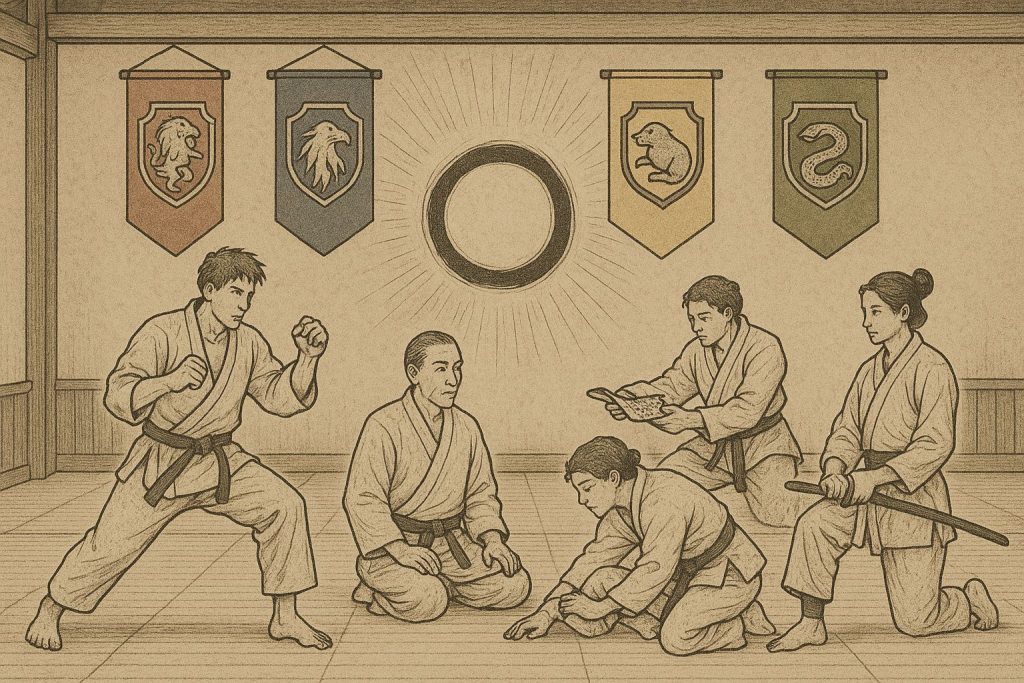
Martial arts is replete with stories, myths, and teachings from old masters. It’s common to see practitioners hanging portraits of these figures in their dojos, quoting their wisdom, and studying their techniques. This reverence is important, as it preserves the legacy and traditions of martial arts. However, there is a subtle yet significant danger in merely venerating these masters without embodying their virtues through action. Admiring the achievements of great martial artists can sometimes lead to a passive form of respect, where practitioners fall into the trap of repeating quotes, performing routines, and adhering to traditions without truly understanding or living the principles behind them. This is akin to gazing at trophies and marveling at their shine while neglecting the hard work and dedication that went into earning them.
The Virtues of the Masters
What sets the legendary masters apart is not just their skill, but their relentless pursuit of excellence, their discipline, and their willingness to innovate and push beyond established boundaries.
Bruce Lee, for example, emphasized the importance of adapting and evolving, famously stating, “Be water, my friend.”
Morihei Ueshiba, the founder of Aikido, infused his martial practice with deep philosophical and spiritual insights, focusing on harmony and the unification of body and mind.
Mas Oyama always taught the importance of training and training hard, while remaining humble.
These virtues—adaptability, discipline, and a deep understanding of the art—are what we should strive to imitate. It’s not enough to repeat their words or mimic their movements; we must internalize their principles and let these guide our own practice.
The Path of Action
To truly honor the old masters, one must move beyond passive admiration and engage in active practice and continuous learning. This means dedicating yourself to regular training, seeking out challenges, and being open to new ideas and techniques. It involves a commitment to personal growth and a willingness to struggle and persevere, just as the masters did. Here are some ways to ensure that you are embodying the virtues of the old masters in your martial arts journey:
1. Regular Practice: Set a consistent training schedule and stick to it.
2. Critical Thinking: Don’t just accept teachings at face value. Question, explore, and seek to understand the underlying principles.
3. Adaptability: Be open to learning from different styles and perspectives. Martial arts is about evolution and adaptation.
4. Discipline: Maintain a strong work ethic and strive for improvement in every session.
5. Mindfulness: Integrate the mental and spiritual aspects of martial arts into your practice. This holistic approach is what made the teachings of the old masters profound and transformative.
Conclusion
As Polybius wisely observed, the purpose of honoring our ancestors and their achievements is not to simply marvel at them, but to emulate their virtues. In the context of martial arts, this means moving beyond passive admiration and engaging deeply with the practice.
By doing so, we can truly honor the legacy of the old masters and continue to advance the art forms they so passionately developed. Reflect on the trophies and the wisdom of the past, but let your actions and dedication be the true testament to their influence. Only then can we transform admiration into mastery and continue the lineage of excellence in martial arts.
References
1. Holiday R., “The Daily Stoic”, p.1444