How a Karate Group and a Fitness Class Survived Each Other’s Training
In the southern part of Mexico City, there’s a municipality called Coyoacán, “Place of Coyotes.” It’s a vibrant urban area, full of trees, restaurants, and street markets. Within it is a large park (large by Mexico City standardsh) that reminds me a bit of Central Park in New York, though not nearly as vast. It’s called Viveros de Coyoacán.
In the middle of the park, there is a wide open area and around the 10th hour on Saturdays, it’s buzzing with an assortment of fitness enthusiasts, bullfighters1, tai chi practitioners, you name it. It’s quirky and magical in the way only Mexicans can. Something I personally love about their culture.

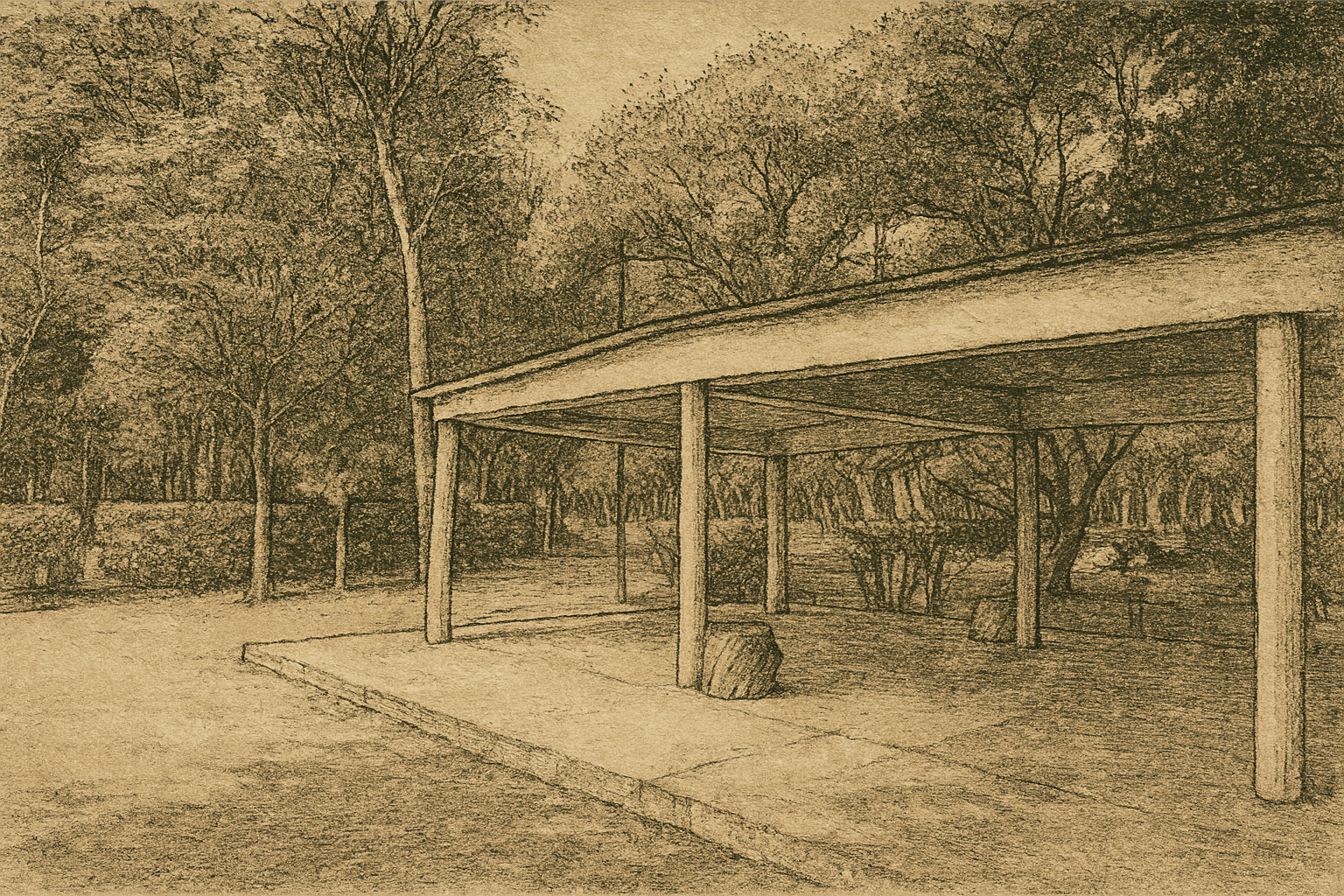
Just off to the side of that central area, there’s a small open-air pavilion. That’s where we’ve been training for the past 20 years. No contracts. No formal agreement with the city. We just show up. If the space is free, we use it. If not, we find another spot. Over time, the regulars got to know us. They recognize the Kyokushin Karate group that trains every Saturday at 9 a.m.
We often meet other teachers. Groups come and go. But one particular fitness coach struck up a connection with us and proposed something interesting—an exchange. We’d join her functional fitness class, and in return, she and her students would join ours.
We agreed.
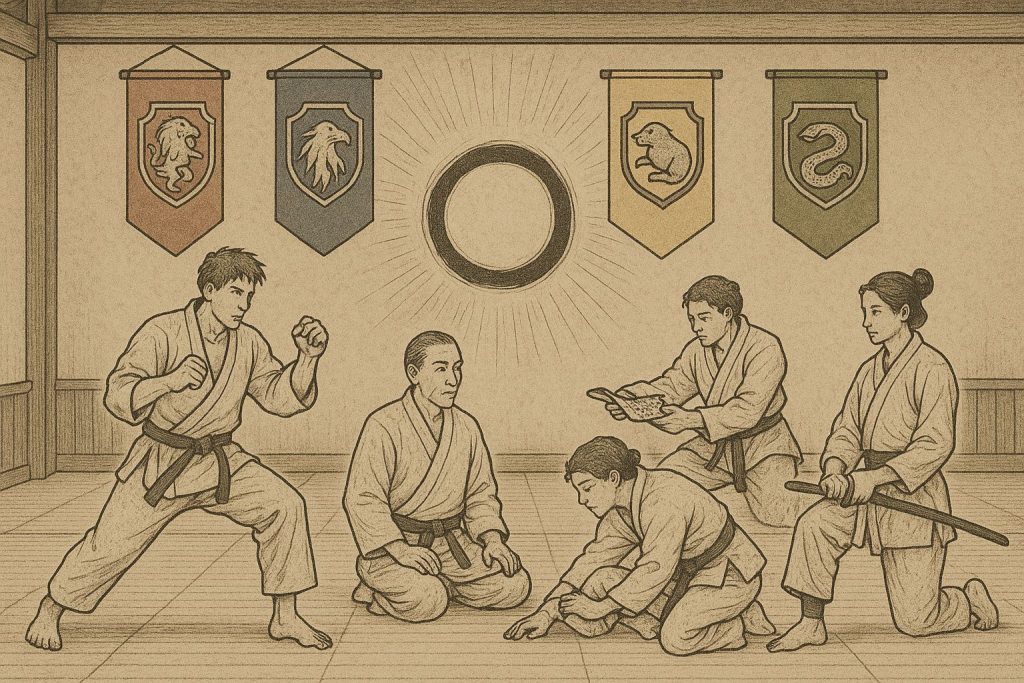
Today was our first go at it. We started with her warm-up and did a few rounds of circuit training. Then, as karatekas do, we lined up, practiced our basics, moved into partner drills, and wrapped up with a cool-down session.
It was a great class.
Afterward, one of the fitness students commented on how impressed she was by our discipline. At first, I didn’t get it. They had been focused and concentrated … during their class.
That’s when it hit me.
During the functional training, we—the karate group—just followed instructions. Some of us made mistakes. Some didn’t fully understand the movements. But we kept quiet, stayed focused, and worked.
But during the karate portion, the dynamic shifted. The fitness group became visibly uncomfortable. Their coordination was off, understandably so, but that led to laughter and nervous giggles. They felt awkward, especially when yelling kiai for the first time in public. Maybe they felt silly. Maybe even intimidated.
Whatever the reason, the discipline they had shown earlier vanished during the karate segment.
Now, to be fair, we’ve done functional training before. Much of it wasn’t entirely new to us. But for them, almost everything we did was foreign, odd and not clearly understood. It’s natural that they felt off-balance.
Let’s be clear: it is not my intention to disrespect them or state that the karatekas were better. Not at all. We did struggle for some of these exercises and we did look (and feel) silly on others.
That being said, it brings home a valuable lesson: discipline is discipline.
“You know the way broadly, you will see it in everything.”
— Miyamoto Musashi
Once you’ve truly learned discipline, you can carry that mindset into anything you do. It doesn’t stay limited to your own practice.
I think that’s what she saw. Their version of discipline came from doing something familiar, maybe even comfortable. But true discipline emerges when we’re challenged, when things feel strange or hard or uncomfortable. That’s when it really counts.
Next time you’re facing something difficult, draw from that discipline you’ve already built. Use it to move forward and succeed.