When we talk about a karate Sensei, we can imagine 2 stereotypes.
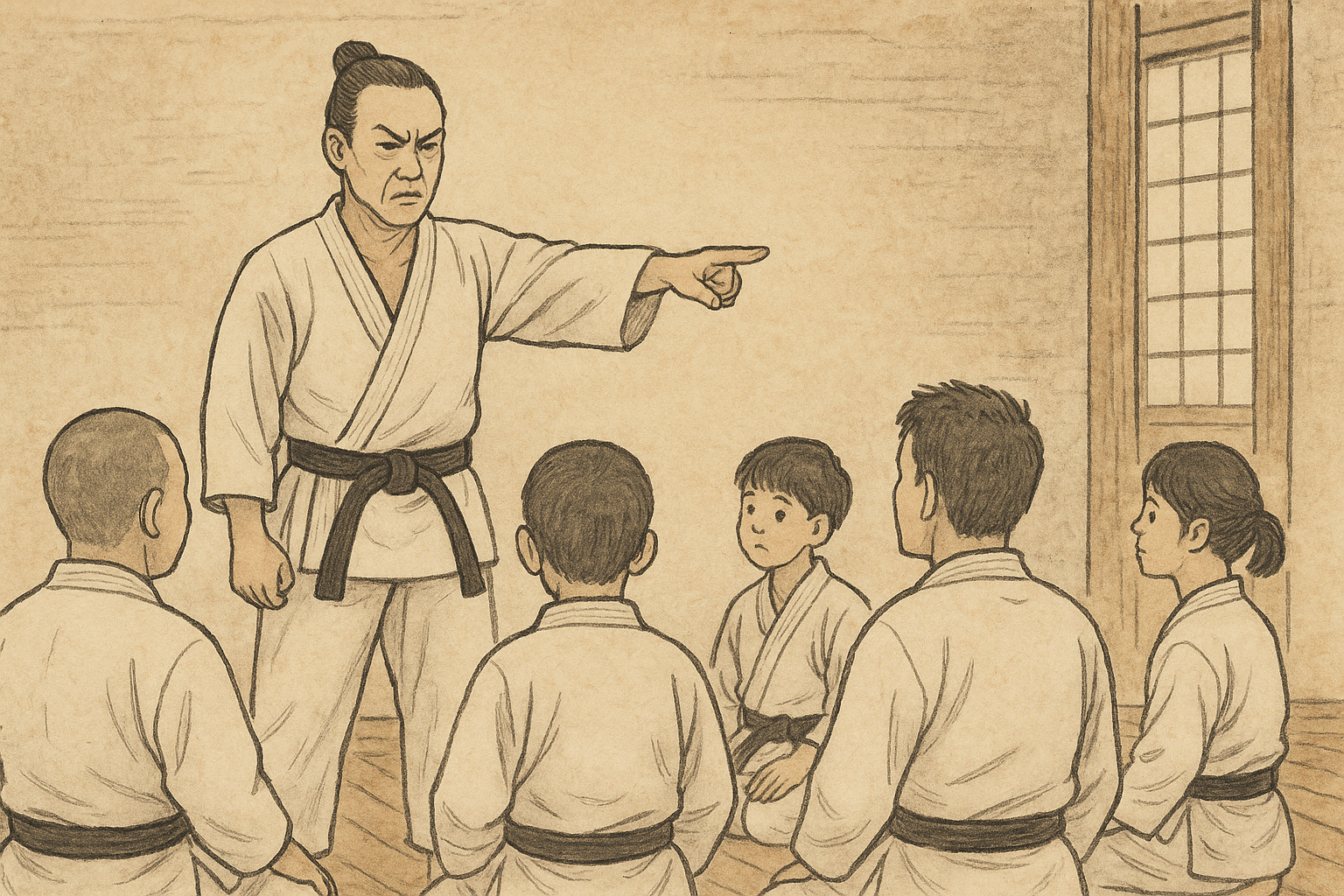
The first is the belligerent, arrogant teacher who keeps yelling and berating their students, very much like Mr. John Kreese from the Karate Kid movies and series. The teachers that demand respect rather than earn it, with an ego so big one wonders how they fit through a door.
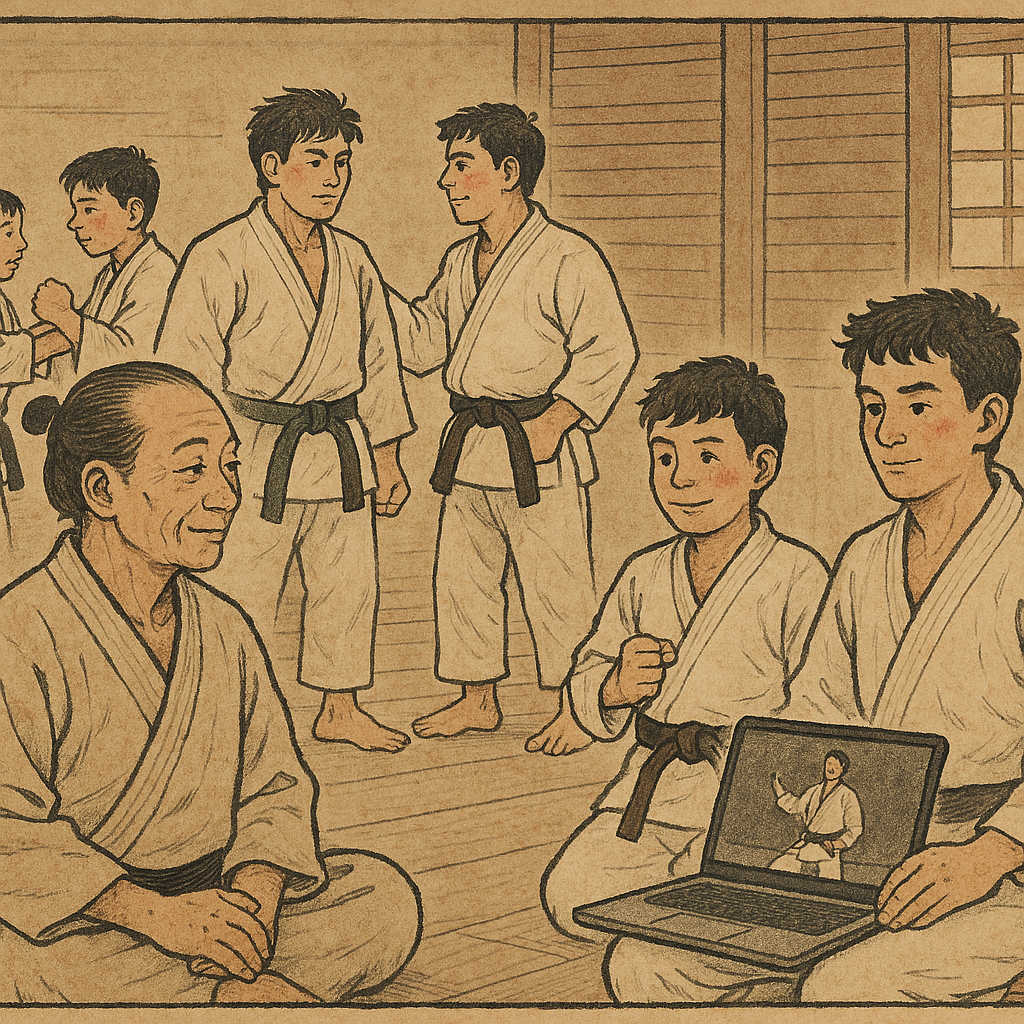
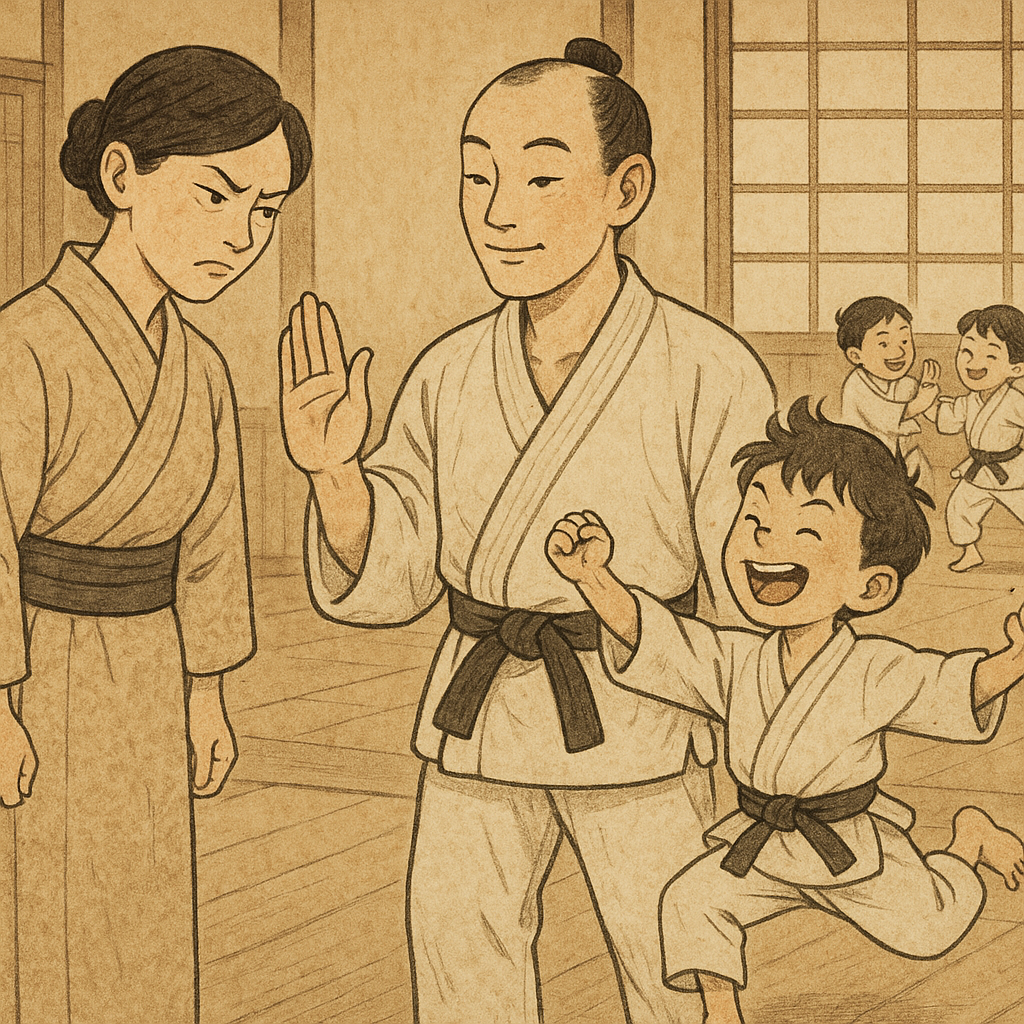
The second is the antithesis of Kreese-like teachers, Mr. Miyagi. One who takes the time to teach and educate. Ready to share life lessons and build responsible humans who will make a positive impact in the world. Karate (and Martial Arts in general) is not just about punching and kicking, but also about building character.
However, it is important to note here that even though Sensei teach martial arts, we are still teachers and like many teachers of any kind, we are not immune to some faults that we need to point out and fix.
Problems to be aware of
The first and foremost is the feeling of power one feels when in charge of a group, generally, of younger and less experienced individuals. That feeling can be overwhelming if you are not prepared for it and can inflate the ego quite rapidly, especially if you are a new teacher. Imagine, suddenly a group of people are listening to you and doing what you are telling them to do.
What a rush.
This can lead to teachers becoming belligerent and disrespectful towards their students. This leads to the second problem, teachers thinking they know everything and for that reason, they should be obeyed without question. As you can see, it’s very much related to the first. Ego being the culprit in this case again.
The third challenge is with teachers who no longer train. This is indeed very difficult to be able to both teach and workout at the same time but there are ways to go around it. The first is to allow other teachers and high level belts to teacher in your place while you do their class.
This is a great exercise in humility: you are doing what your student is asking you to do. You need to be able to put your ego aside and just “do what you are told” even if it’s wrong. It’s a perfect teaching opportunity, it’s good training for that person to learn how to teach early, and you get a good workout out of it too.
Solutions
To solve these issues, you must remember that as a teacher, you role is to guide your students1 in getting new knowledge and not about you (the teacher) showing how much you know. Remember this, it’s not about you, it’s about your student. Find ways and methods to teach, if your students asks questions and you don’t have the answer, say so, investigate and get the answers, you’ll both benefit from these exercises.
I recently posted an article about how to use the bubishi in class. I am not an expert in this book nor its techniques, but I do investigate, look at videos and share what I’ve learned with my students. This shows them that martial arts can become a lifelong pursuit and even though one doesn’t compete anymore, you can continue to grow and learn.
The second solution is to always respect your students1, independent of age and experience, they are human beings and just because of that, they deserve your attention and respect. Learning is really about elevating your understanding where the teacher has something to teach the student. This can only be done through communication2. If your students do not respect you, the channels of communication will close and you’ll be hard pressed to teach anything to anyone.
I am not sure why in the Martial Arts, teachers get offended when students don’t understand or talk back. Your black belt actually means nothing3 more than you are more experienced that them and as someone with more experience, you should have the composure and patience to teach. If you don’t and if your intention is to demonstrate why you have the grade you have, you have no business teaching anything to anyone. Experience speaks for itself.
The third solution, in my view, is to continue to learn. Martial arts need to be experienced physically and the only way to confirm that your theories work is by testing it and trying it out. One person who does that very well online is Sensei Seth4. I love how he suspends judgment when he tries new martial arts and gives it his all. These videos are my favorite so far:
1. Can I Make Aikido Work?
2. I Tried Ninjutsu
To conclude
To conclude, as a teacher, do not take yourself too seriously. Martial arts is, for most people, just an activity or a hobby. A way to go out, do something fun, meet people and make friends. A small portion of them will take this seriously, will look to compete or maybe even become professionals. That being said, try to enjoy the process. Teaching is a privilege indeed, but more than anything, it’s a enriching experience that both you (the teacher) and the student can enjoy.
References:
1. Hollins, P., (2021, January 15). How to teach anything: Break Down Complex Topics and Explain with Clarity, While Keeping Engagement and Motivation. Peter Hollins.
2. Adler, M.J., Van Doren, C., 1972. How to read a book, Rev. and updated ed. ed. Simon and Schuster, New York.
3. Holiday, R. (2022, July 13). The things you think matter…don’t. RyanHoliday.net. Retrieved July 20, 2022, from https://ryanholiday.net/the-things-you-think-matter-dont/
4. Adams, S. (n.d.). Sensei Seth. Sensei Seth YouTube Channel. Retrieved July 22, 2022, from https://www.youtube.com/c/SenseiSeth